PATTERNS ON REPEAT
May 05, 2021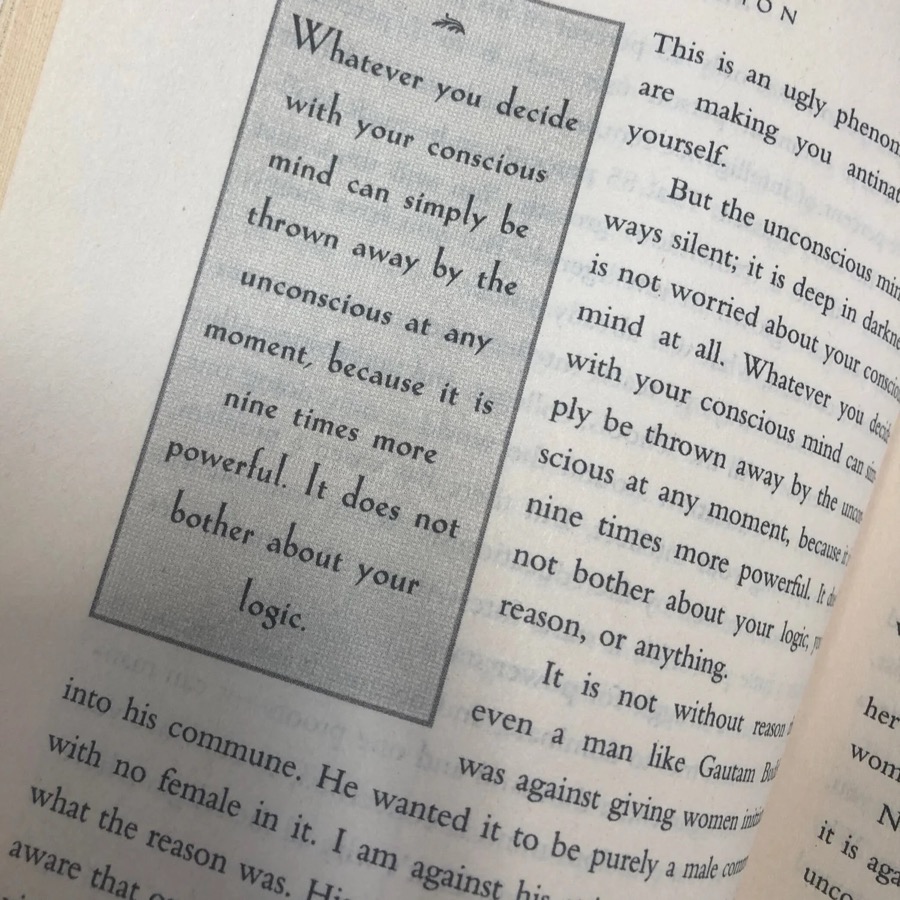
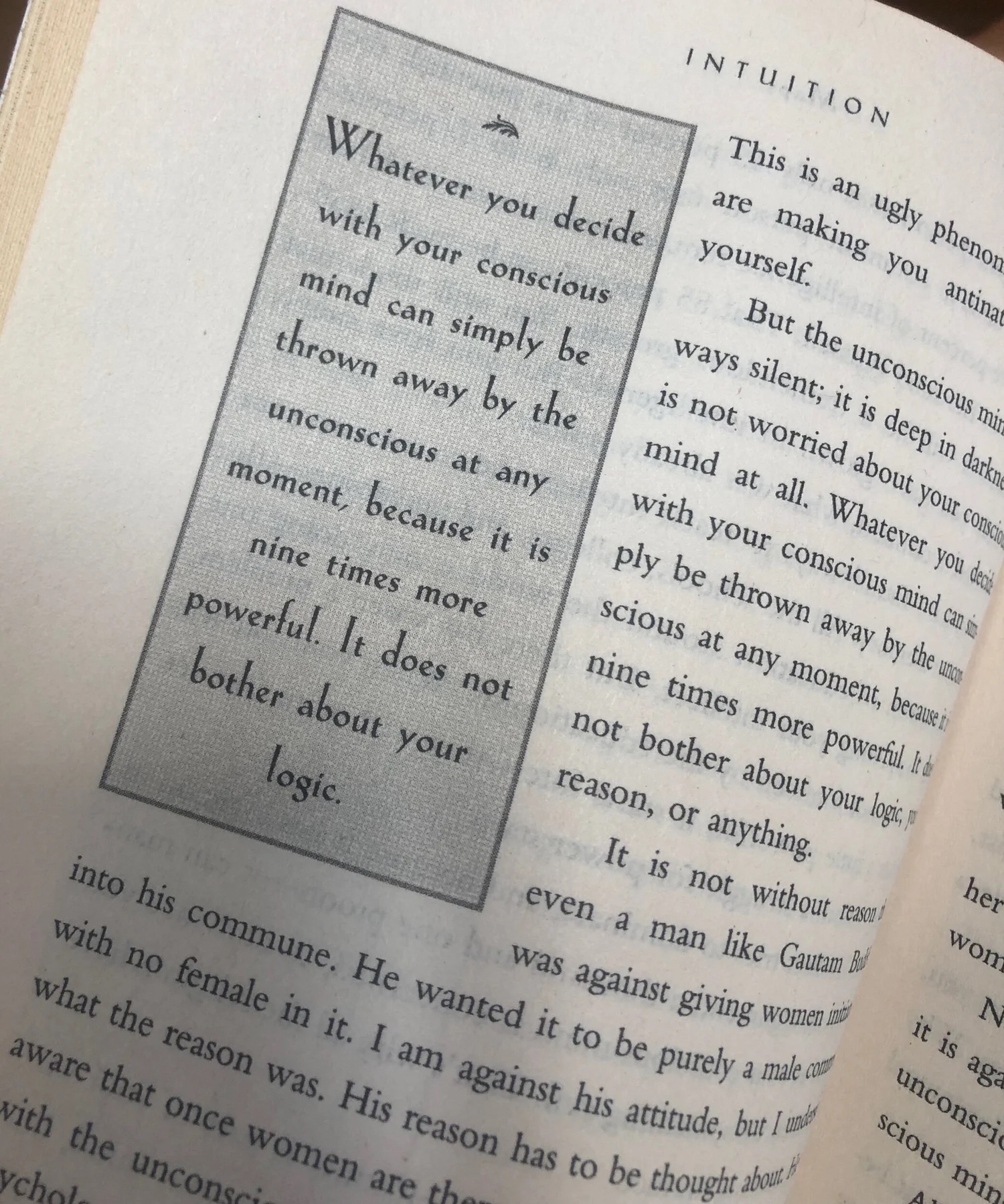
Have you ever found yourself repeating a pattern even though you were aware of it? Let’s say you identify as a caretaker. Taking it as your role to fix, save and care for people- and relationship, but you might be unware of this trait in yourself. Until you come to a point in which you become conscious to this former unconscious pattern. Suddenly, you see and witness yourself and your tendency to care for, fix or save, in which creates toxic and draining dynamics, but since you have learned to place your worth in your actions, actions that were once expected from our parent figures, you will find yourself repeating this pattern, and doing the exact same thing, over and over again, even though you are now aware that you are doing it. How frustrating? What’s missing is the understanding of our subconscious and the unconcious parts of us- these are the parts that are running the game. Being consciously aware helps, it’s the first necessary step, but it doesn’t help to be aware if we don’t work on processing and healing the (unconscious) parts of us that’s the reason behind our pattern and actions in the first place. A pattern of being a caretaker is a trauma response or a coping mechanism, learned in childhood, where we attempt to take on roles and traits that are most desirable to our parent figures. And so we betray our own needs, emotions and boundaries in order to gain love or approval from a parent. A child is extremely good at adapting to whatever family dynamic they are in, dysfunctional or not, and will play a role if that’s needed. This role continues into adulthood and becomes the norm from which we navigate future platonic and romantic relationships. The message that you, as a child, needs to perform and play a role to gain love, creates the core belief that ‘the only way to receive love is to cater to others and ignore my own needs’, a belief that will continue to cause pain, anxiety and frustration. This self-betrayal comes from trauma and further produces trauma. To change this pattern of fixing, saving and taking care of other people, (at the cost of yourself) which often stem from the early parts of ourselves that needed to adapt to survive, we have to re-wire our subconcious belief and nervous system, process and heal the trauma that made us cope in that way, literally getting to the root cause of why our behavior or thoughts is the way it is. Because there’s always a reason for our repeating behavior. There’s always a reason for our repeating thought patterns, and for the way we think about ourselves and others. Trying to change our thoughts and behavior alone, is just managing the symptoms. There’s a reason why, find that reason why! We often shame ourselves for failing to change, when in reality our willpower only get’s us so far and treating the symptoms doesn’t work long term. The reason behind our thought and behavior pattern, is usually a very good reason, it’s just that it doesn’t serve us any longer. It’s continuing to do harm in the present, because of the unresolved trauma, and then the coping mechanism we had to develop, to endure that trauma. We don’t have to perform to deserve love and approval. The thing is though; it’s not as easy as telling ourselves this, because the parts of us that was once told or shown, directly or indirectly, that we had to do or be something other than ourselves to be seen, heard, validated and loved, will still be stuck inside of us, unresolved, even though we consciously think we are worthy of better. The unconscious parts of us will always win over our concious parts. Unresolved emotional wounds creates dysfunctional and destructive patterns and behavior in the present, even though the same patterns and behavior once kept us safe. This is why shadow work and therapy that dig deep and gives us access to the unconscious parts of our psyche; the subconscious beliefs, programming, patterns and trauma, are so important. That’s where the change happens; when you heal the reason for your behavior and thought pattern, and not the behavior or thoughts itself.